
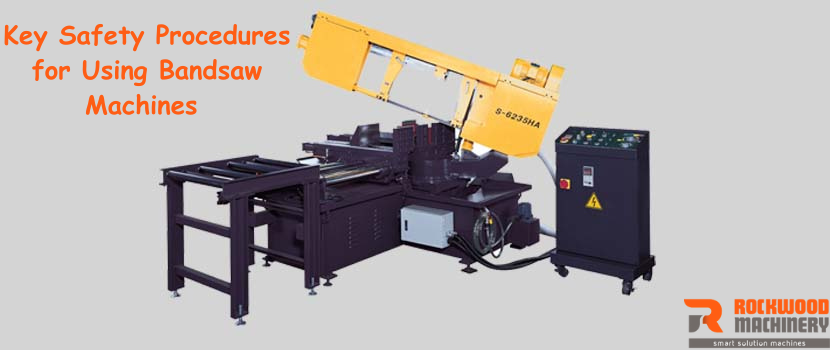
In UAE’s growing industrial and manufacturing sector, precision cutting tools like bandsaw machines have become essential for workshops, fabrication plants, and construction projects. From cutting metal bars to shaping wood or plastic, bandsaws offer speed, accuracy, and versatility. However, as with any powerful machinery, they also pose risks if not used properly.
By adopting and practicing the correct safety precautions, operators will prevent accidents, promote productivity, and lengthen the life of equipment. Whether you’re a seasoned technician or a new operator, understanding and practicing these safety measures is crucial.
Why Safety Matters When Using Bandsaw Machines
A bandsaw’s continuous blade motion can cut through tough materials with ease—but that same power means it can cause serious injury if mishandled. In workshops across the UAE, safety is not just a legal requirement; it’s a responsibility toward your team and business.
Just as Hydraulic Press Brakes require strict safety protocols to prevent accidents during bending and shaping metal sheets, bandsaw machines in UAE need careful operation and regular maintenance to ensure safe use.
1. Wear the Proper Personal Protective Equipment (PPE)
Before turning on the machine, ensure you’re dressed for safety:
- Safety glasses or face shield – Will protect your eyes from flying chips or debris.
- Hearing protection – Bandsaws can produce high noise levels, especially when cutting metal.
- Gloves – Use cut-resistant gloves when handling materials, but avoid wearing them too close to the blade to prevent entanglement.
- Steel-toe shoes – Shield your feet from falling workpieces.
2. Inspect the Bandsaw Before Use
A quick pre-use inspection can prevent major hazards:
- Check blade tension and alignment – A loose or misaligned blade can break during operation.
- Examine blade condition – Look for cracks, dullness, or missing teeth.
- Test safety guards – Verify that all protective covers and guards are in place and secure.
- Lubrication and coolant levels – Proper lubrication helps the blade run smoothly and prevents overheating.
3. Secure the Workpiece Properly
Never attempt to cut freehand. Make sure to secure your workpiece by using clamps or a vise. This will eliminate any chance for the workpiece to shift while cutting. This is for not only safety but also improving cutting accuracy. In metal fabrication workshops, operators often use bandsaw machines alongside hydraulic press brakes—and in both cases, stable workpiece positioning is key to precision and safety.
4. Adjust Speed and Feed Rate Correctly
Different materials require different blade speeds and feed rates:
- Metals – Generally, slower speeds are required so not to damage the blade or cause overheating.
- Wood and plastics – Can be cut at higher speeds.
Check with the manufacturer to determine the right speed for the type of material being cut. Incorrect settings can damage the blade, the workpiece, or even the machine.
5. Keep Hands Away from the Blade
It might sound obvious, but many accidents happen because operators reach too close to the blade. Always use a push stick or guide when working with small pieces, and never attempt to remove cut material while the blade is moving.
6. Keep Work Areas Clean
A messy work area could lead to accidents:
- Keep the floor free of scrap pieces, coolant spills, and sawdust.
- Put tools and materials out of the cutting area.
- Ensure adequate lighting around the machine for better visibility.
7. Follow Safe Start-Up and Shut-Down Procedures
- Start-up – Turn on the machine only when the blade is clear of the workpiece and all guards are in place.
- Shut-down – Wait for the blade to come to a full stop before you leave the machine or remove workpieces.
8. Regular Maintenance for Safe Operation
Just like hydraulic press brakes require regular servicing to maintain precision, bandsaw machines need scheduled maintenance:
- Change blades when they become dull to avoid overloading the motor.
- Check alignment regularly to prevent uneven cuts and excessive wear.
- Keep the machine lubricated to mitigate friction and heat.
- Check the electrical wiring to see if there are signs of wear and tear.
A well-maintained machine is going to be safer, more efficient and more economical in the long run.
9. Train and Supervise Operators
No matter how advanced your bandsaw is, safety depends on the person operating it. Ensure all operators receive proper training on:
- Machine controls and functions
- Material-specific cutting techniques
- Emergency stop procedures
- Proper cleaning and maintenance steps
In larger UAE workshops where multiple machines like bandsaw machines and Hydraulic Press Brakes are used, having a dedicated safety supervisor can significantly reduce risks.
10. Do Not Push The Machine Past Its Limits
Do not attempt to overwork the machine. Forcing a thick or hard material at the wrong speed can result in blade damage or even accidents. Always refer to the manufacturer’s recommended cutting limits.
Conclusion
In the UAE’s fast-growing industrial sector, both bandsaw machines and hydraulic press brakes are indispensable tools for manufacturing and fabrication. When it comes to efficiency and precision, the machine does come with some responsibility in ensuring safety at each step.
By wearing the right PPE, inspecting your machine, securing materials, and following proper cutting techniques, you can protect your team, extend your machine’s life, and maintain high-quality output.
Safety is not only a checklist, it is also an investment in your employees, equipment, and brand image.
To continue reading, click: How the Right Magnetic Lifter Makes Material Handling Safer and Easier