
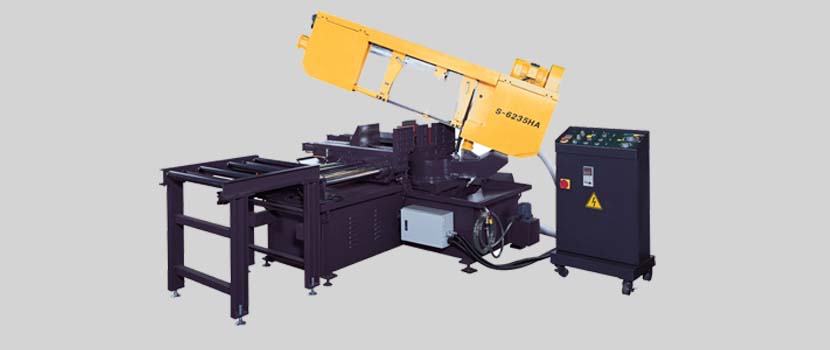
Bandsaw machines are an essential tool for every fabrication or woodworking industry. No matter if your application is metals, plastics, or wood, a functional bandsaw machine provides injury-free, repeatable machining and longevity of the bandsaw machine relative to its purpose. Oftentimes, companies make numerous, unknowingly stupid mistakes relative to sawing and bandsaw machine maintenance, not realizing they are incurring losses of business, shorter blade life, and may even incur potentially damaging repair costs.
If you have any Bandsaw operations in your industry, or your an operator of your own shop that may also have Bending machines, it is necessary to optimize your performance for not just bandsaw, to not take on the common mistakes in Bandsaw machines in UAE maintenance for the gains of operational efficiency and effectiveness, and secondly, to not take any safety risks.
Below are the 10 most common Bandsaw machine maintenance mistakes, and how to help you avoid them.
1. Ignoring Blade Tension
The most common mistake in machine maintenance also includes inappropriate blade tension. An excessive amount of Bandsaw machine blade tension will additionally and frequently over-stress bearings and possibly more with the wheels themselves. Not enough tension gives inaccurate cuts with blade drift.
Tip: Always reference the manufacturer’s intended specification, use tension gauges where applicable, and visually check blade tension before every shift.
2. Neglecting Regular Cleaning
Dust, chips, and debris can collect very quickly on the roller wheels and guides, and the blade itself. Especially from the continued use of the Bandsaw machines, you will have a lack of blade tracking and increased wear from material built up on these surfaces.
Tip: Always put the time into a complete clean-up process after each use of the bandsaw machine, and remove all dust, chips and debris off all roller wheels and guides. Relative to tracking of the band, roller wheels and guides are critical to avoid material build-up.
3. Skipping Blade Lubrication
Bandsaw blades are all defective if variable elements are involved under any circumstance The Band requires some blade lubricant in either application. Cutting or machining will create heat once the blades commence turning in the cutting process. Eventually, enough heat can cause excessive friction, premature dullness and breakage.
Tip: Use appropriate lubricants or commercially available coolants if possible, for the material and machine you are cutting. Soaps and oils are typically not applicable for wood cutting, but relative to the heat with metal cutting, lubricant soaps and oils are important for us in the heat of the climate of the UAE.
4. Using the Wrong Blade for the Material
Not properly matching an applicable Band Saw blade application always negatively affects cut quality and places additional stress on the machine. Using a band saw blade with coarse teeth for thin stock causes it to tear, and essentially, this leads to rough, unusable edges and poor material efficiency.
Tip: Ensure you are matching the tooth pitch, width and recommended material for your application during your cutting operations. Equally, if you do work with bending machines, we would want our cut edges to be as clean as possible before we undertake any bending.
5. Overlooking Blade Alignment
It’s extremely easy to not notice or not to care about the misalignment until it becomes an evident problem, and you have misaligned blades that will create vibration, wandering cuts, and additional wear and strain on parts, both the blade and the machine parts.
Tip: Inspect your misalignment regularly, and as soon as you see evidence of incorrect blade tracking, the tracking mechanism should be corrected or adjusted so that the blade runs dead centre and in line on the wheels you are using.
6. Forgetting to Check Bearings and Guides
Bearings and blade guides wear down and degrade after being used for so long in heavy duty production environments. Worn guides allow the blade to twist or deflect, which will result in less accurate cuts.
Tip: From time to time check for wear on guides, bearings, and thrust wheels and replace them as necessary. Simply by maintaining this preventative step will increase not only the life of the blade but also the safety.
7. Ignoring Coolant or Lubricant Levels
Allowing the lubricants, refrigerants and/or coolants to drop too low or using lubricants that contain contaminants will also deteriorate the use of the blade or lead to overheating. This can be troublesome for a lot of industries in the area that are in very hot and dusty conditions, such as the UAE.
Tip: Maintain the correct coolant levels and replace fluids as per the action of the instructions or the condition of the fluid because they can be used for a limited time. Clean the coolant reservoir regularly to avoid contaminating the cutting area.
8. Not Monitoring Blade Wear
Most operators frequently have blades that should have been replaced a long time ago. A worn blade will make the operator apply more feed pressure, create heat with the material or the component being cut and/or cause stress on the motor.
Tip: Create a schedule to inspect and change blades. You can check for variables such as increased resistance when cutting, smell of burning, or the edges of the cut look ragged.
9. Failing to Calibrate the Machine
Typically, bandsaw machines require calibration from time to time to check if the table is still square to the blade and that the guides are set correctly. With repeated use, vibration can impact your components being pulled out of square.
Tip: Calibrate periodically. Make sure to use a machinist’s square to check the angle of the table and make sure the fence is perpendicular to the blade to ensure it cuts accurately.
10. Disregarding Operator Training
No matter how sophisticated your bandsaws are, they will still require skilled operators to be effective. Lacking proper technique such as forcing the material through the blade or not monitoring the correct feed rates, can cause premature wear or safety mishaps.
Tip: Train your operators about proper technique and who should be fabricating parts properly. Operators need to feed materials smoothly, choose the right blades and work with the appropriate safety protocols.
Why Maintenance Matters
If your workshop relies on bandsaws and bending machines in UAE, preventive maintenance ensures you stay competitive and productive. Well-maintained bandsaws deliver:
- Consistent, high-quality cuts
- Longer blade and machine lifespan
- Less downtime and fewer repairs
- Improved operator safety
Routine maintenance doesn’t just protect your investment—it also enhances your industry’s reputation for precision and reliability.
Final Thoughts
Awareness of the above 10 common, predictable mistakes can help save you time and money and aggravation. Regardless if you run a small fabrication industry or a truly large industrial facility, if it involves using bandsaws, maintaining your bandsaws correctly is imperative.
Although temperature and dust are even more problematic for most shops in the UAE than elsewhere, it even more makes taking a proactive approach for maintenance worthwhile.
If you are considering upgrading or servicing your bandsaws or acquiring complex bandsaw machines and bending machines to integrate them better together, ensure that you always procure from a reputable supplier who will provide local product training, expertise, and support.
To continue reading, click: How Machinery Rentals Are Reshaping Industrial Workflows